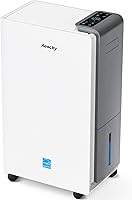
Do Dehumidifiers Work?
Yes, dehumidifiers work by removing water vapor from indoor air. Choose enough daily moisture-removal capacity for your room, control incoming moisture, and use a humidity meter to confirm results.
On this page (9 sections)
- How do dehumidifiers work?
- How can you tell if a dehumidifier is working?
- Why might a dehumidifier collect little or no water?
- How do you choose enough dehumidifier capacity?
- Can a dehumidifier fix damp walls or stop mold?
- What humidity level should you aim for?
- How should you set up a dehumidifier for useful results?
- What care helps a dehumidifier keep working?
- Do dehumidifiers work, and which option fits your room?
Yes, dehumidifiers work by removing water vapor from indoor air, provided the unit can keep up with the moisture entering the room. They can reduce clamminess and condensation, but they cannot repair leaks or drain standing water.
The useful measure is a falling humidity reading, not a full bucket. Start with a humidity meter, choose enough daily collection capacity, and plan how you'll empty or drain the water.
How do dehumidifiers work?
Most home dehumidifiers turn airborne moisture into liquid water and return drier air to the room. That water collects in a bucket or leaves through a drain hose.
Compressor models move air across cold coils, where moisture condenses. Thermoelectric models use semiconductor cooling to create a cold surface that collects water.
As the air dries, damp furnishings and building materials can release more moisture into it. This explains why a unit may keep collecting water after the room first feels better.
Neither type brings in fresh air or replaces ventilation needed for cooking and bathing. A dehumidifier also releases heat into the room, so it won't cool a warm space like an air conditioner.
Do dehumidifiers work better in warm or cold rooms?
Cold conditions can reduce moisture collection, especially in compressor models. Frost may form on the coils, causing collection to pause while the unit defrosts.
Check the approved operating temperature before choosing a unit for an unheated room. Automatic defrost helps manage ice, but it doesn't establish that a model suits your winter conditions.
For seasonal guidance, see using a dehumidifier in winter.
How can you tell if a dehumidifier is working?
Use a separate meter to check whether room humidity falls toward your target. Bucket water confirms collection, but a unit can collect steadily while incoming moisture keeps the room too humid.
Place the meter away from windows, vents, direct sunlight, and the appliance's outlet. Leave it in the same spot so your comparisons mean something.
Record humidity and temperature before starting, after several hours, and the next day. Note showers, laundry, or open windows that could explain a rise.
The Govee H5075 suits readers who want humidity trends as well as a current reading. It has a 3-inch display and stated humidity accuracy of ±3% RH, so focus on a sustained change rather than tiny fluctuations.
Skip it if you need Wi-Fi access while away from home. It uses Bluetooth, with a maximum range of 164 ft in open, unobstructed conditions; walls can reduce that reach.
Why might a dehumidifier collect little or no water?
Dry air, low temperatures, or interrupted operation can explain low collection. A dry bucket is normal once the room reaches its target, while a full bucket can trigger a shutoff.
Check the room reading before lowering the setting. Then inspect bucket seating, airflow, filter condition, and any drain hose for blockages or kinks.
A unit that collects water but never lowers humidity may be too small, serving too much space, or fighting a continuing moisture source. Running it longer won't repair a leak or overcome an open window bringing in humid air.
Follow why a dehumidifier may not collect water for a fuller check. If you see ice, use why a dehumidifier freezes up.
Do small dehumidifiers work in a whole basement?
Don't choose a whole-basement unit by its footprint or tank size. A small thermoelectric appliance is better considered for a small, enclosed area with a light moisture load.
The BEDRED suits someone who wants a compact appliance for a mildly damp enclosed space. Its sleep mode turns off the ambient lights, which helps if you don't want colored light overnight.
Skip it for a persistently damp whole basement unless you can confirm adequate daily removal capacity. BEDRED advertises coverage up to 1,000 sq ft, but the supplied specifications do not establish a daily collection rate.
Its tank holds water between emptying sessions; that volume is not a measure of drying power. Compare capacity and room needs in our best dehumidifiers for home guide.
How do you choose enough dehumidifier capacity?
Choose by daily water removal, room conditions, and operating temperature, then consider the tank and controls. A large coverage claim alone doesn't account for how wet your space is.
Measure the area you want to dry and note whether doors connect it to other rooms. One appliance in a hallway may not control humidity inside closed bedrooms.
Separate mild seasonal dampness from persistent condensation or wet materials. A wetter room needs more removal capacity than an equally sized room with only occasional humidity spikes.
For a step-by-step comparison of capacity, type, and drainage, see how to choose a dehumidifier.
Is a 20 pint dehumidifier enough for a basement?
A 20 pint unit can suit a smaller basement with a moderate moisture load. Choose more capacity if the space is large, stays very damp, or the unit must serve several connected areas.
The Midea Cube suits buyers who want room humidity control with fewer bucket-emptying trips or access to a suitable drain. Wi-Fi controls through the SmartHome app also let you adjust it without walking to the appliance.
Midea advertises coverage up to 1,500 sq ft, but use dampness and temperature to judge the fit. Daily collection varies with conditions, so you shouldn't expect the rated amount every day.
Skip this size for a very wet, large basement. Also consider bucket handling: a large container may need fewer trips, but it becomes heavier as it fills.
Use our basement dehumidifier guide to compare options for more demanding spaces.
Can a dehumidifier fix damp walls or stop mold?
A dehumidifier can help materials dry and limit excess airborne moisture, but it cannot fix water entry or remove existing mold. Deal with leaks and standing water first.
Check plumbing, window seals, foundation walls, and outside drainage. Dampness that returns after rain needs attention at its source rather than a lower humidity setting.
Don't paint over wet or moldy materials and assume the appliance will solve the problem. Extensive growth or water damage may need qualified help.
Read whether dehumidifiers help with mold for the limits and next steps.
What humidity level should you aim for?
Keep indoor relative humidity below 60%, ideally around 30% to 50% where practical. Start near the upper end of that preferred range and adjust based on room readings and condensation.
Turning the control to its lowest setting can increase runtime without giving you a useful benefit. Use a target that keeps the room dry enough rather than trying to collect the most water.
Cold windows and walls may still develop condensation even when a meter elsewhere looks fine. Check those surfaces and address cold spots or water entry as well.
For room-specific advice, see what humidity level is good for a basement.
How should you set up a dehumidifier for useful results?
Put it on a stable, level surface with the clearances required in its manual. Keep the intake and outlet away from curtains, furniture, and stored boxes.
If the unit was transported on its side, follow its instructions before switching it on. Keep humid outdoor air out when practical, and leave interior doors open only to spaces you intend to dry.
For gravity drainage, the hose needs a continuous downward route to a suitable drain. A hose that rises, sags, or kinks can prevent drainage; an included hose doesn't mean a unit can pump water uphill.
Secure the hose and check for leaks during the first run. If you use the bucket, plan an emptying routine so full-tank shutoff doesn't leave the room damp for hours.
What care helps a dehumidifier keep working?
Clear airflow and clean water-contact surfaces help the appliance keep doing its job. Unplug it before cleaning and follow the manual for parts you can remove or wash.
Inspect the filter regularly, especially in dusty rooms. Let a washed filter dry fully before reinstalling it, and avoid running the unit with a clogged intake.
Empty and clean the bucket so residue doesn't build up. Check the drain hose for slime or obstructions, and empty and dry the appliance before storage.
Don't spray cleaners into the cabinet or bend coil fins while trying to reach dust. Our dehumidifier cleaning guide covers filter, bucket, and coil care.
Do dehumidifiers work, and which option fits your room?
Dehumidifiers work when capacity and conditions match. Buy the Govee if you first need to establish whether humidity is high and track how it changes.
Consider the BEDRED for light moisture in a small enclosed space. Choose the Midea Cube for a room that needs a stated daily removal capacity, humidity control, and a choice of bucket collection or drainage.
For a large or persistently wet basement, choose more capacity and correct the moisture source. Start with our home dehumidifier size and room guide to narrow the options.
Frequently asked questions
Do dehumidifiers really remove moisture from a room?
Yes, dehumidifiers remove water vapor from indoor air and collect it in a bucket or send it to a drain. Their effectiveness depends on daily removal capacity, room temperature, and incoming moisture, so compare humidity readings over time rather than judging success by the amount of water collected alone.
How long does a dehumidifier take to work?
Moisture removal begins while the unit runs, but lowering room humidity can take hours or longer. Damp walls, furnishings, and stored items may keep releasing moisture after the air starts drying, so check readings over a day or two while keeping settings and room conditions consistent.
Do dehumidifiers work in cold rooms?
Some dehumidifiers work in cold rooms, but compressor models can develop frost that interrupts collection. Choose a unit approved for your room's temperature and follow its operating guidance; an automatic defrost feature helps manage ice but does not mean the appliance suits every cold basement or garage.
Will a dehumidifier stop mold?
A dehumidifier helps control the humidity that supports mold growth, but it cannot remove existing mold or repair leaks. Fix incoming water and dry affected materials promptly; our guide to dehumidifiers and mold explains where humidity control helps and when cleanup or qualified help is needed.